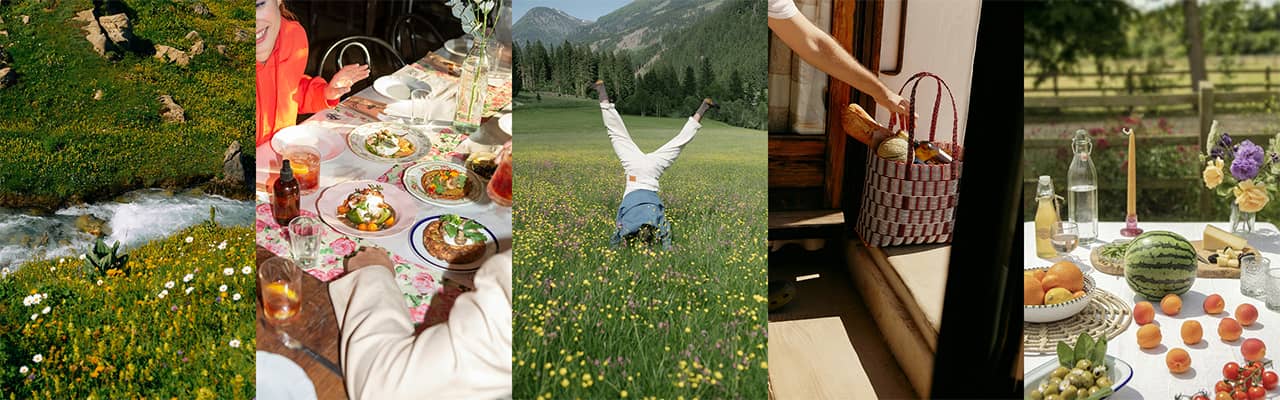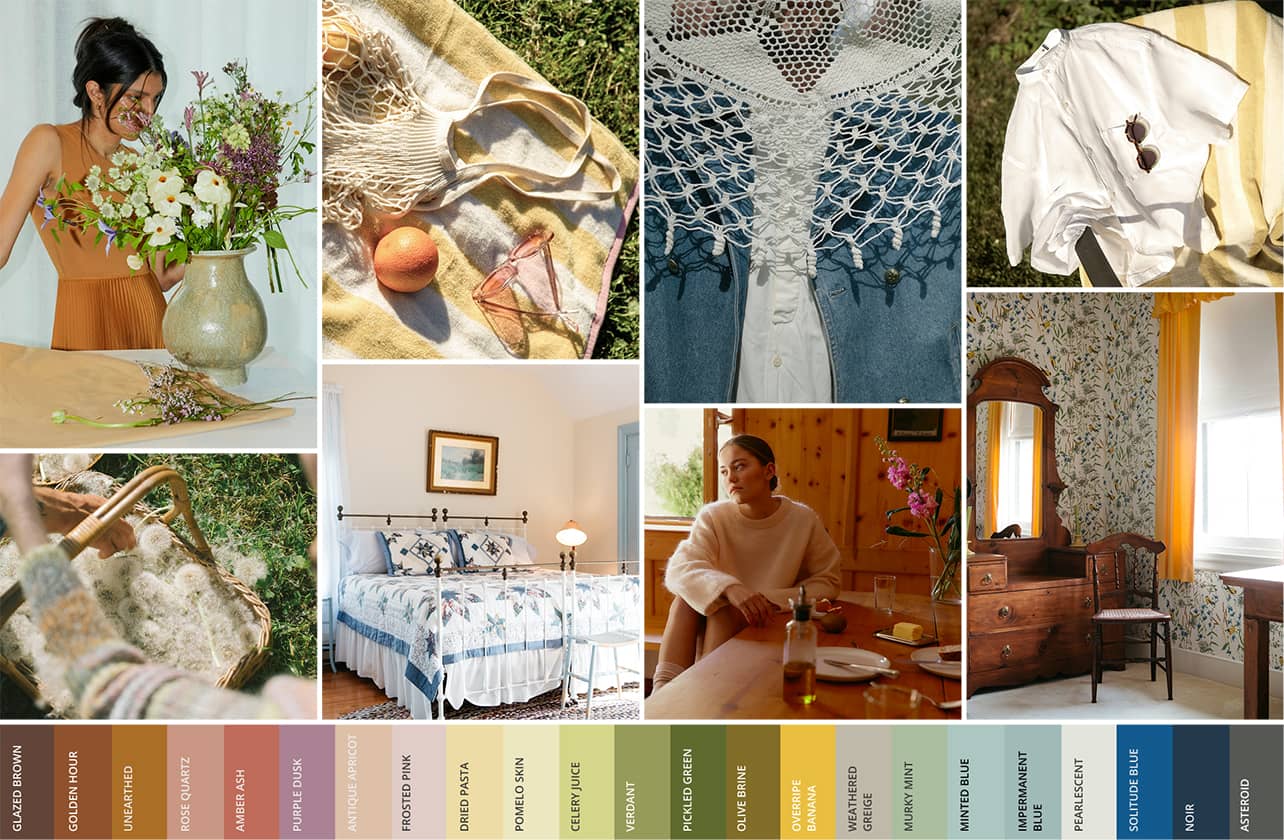
Combe offers a renewed take on rustic living. This aesthetic blends the warmth of the countryside with the refined grace
of old-world heritage. Aged wood, stone fireplaces, heirloom textiles, architecture with soul. It's a shift away from the mass-produced and into the storied, where slow rituals, natural materials, and timeworn details define a space that feels meaningful, not manufactured. Each element carries weight and memory. This is living rooted in presence, where the beauty lies not in perfection but in the quiet accumulation of days—spaces that age gracefully, objects that deepen with use, homes that feel like they've always been.
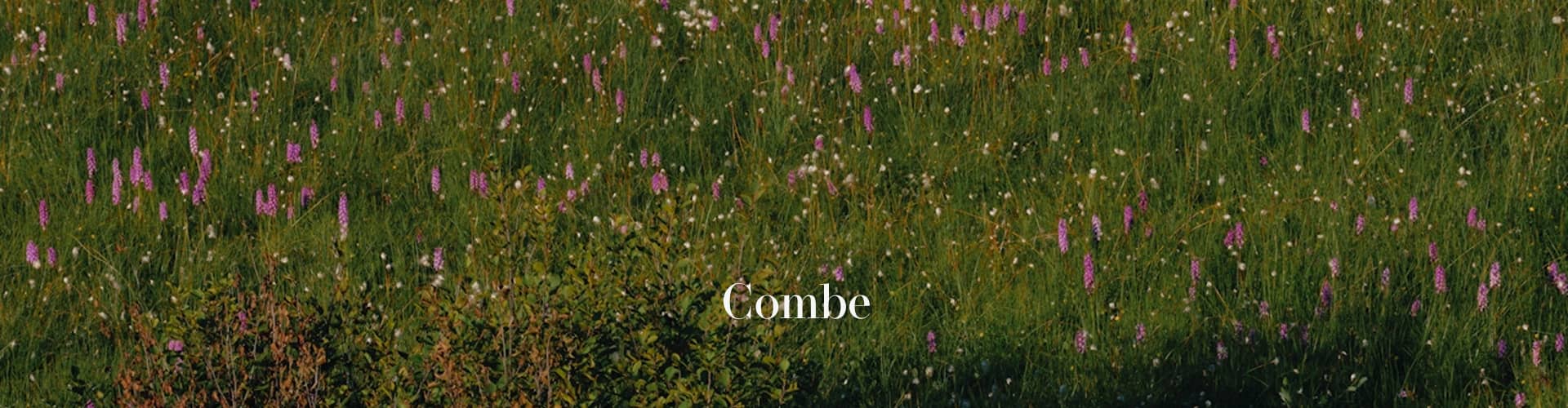
Combe
WHAT ARE THE KEY DRIVERS THAT ARE INFLUENCING THIS SHIFT?
Consumers are yearning to embrace a slower pace of life and a slower pace
of consuming. This shift reflects a growing resistance to the relentless churn
of trends and disposability. Instead, there's a desire to invest in fewer, more meaningful things: pieces that invite us to linger, to notice, to feel.
The pause economy isn't about opting out, but about opting in with more intention. It’s about choosing quality over quantity, presence over productivity, and objects that reward a longer relationship. It's a recalibration toward what endures, both in the home and in how we live.
How is it manifesting in the home?
The era of disposable décor is fading. What’s taking its place is the rise of emotionally durable design. These are items and spaces that carry meaning,
tell a story, and improve with age. This ethos encourages consumers to see their homes as long-term expressions of care, not short-term aesthetic exercises.
trend tracker
CONTINUING
Vintage and Antique Mixing
Liven-In Comfort
Vintage and Antique Mixing
Liven-In Comfort
DOWN TRENDING
Mass-Market Farmhouse Aesthetics
Polished Curation
Mass-Market Farmhouse Aesthetics
Polished Curation


UPTRENDING
Pattern Saturation
Rustic Romanticism
Pattern Saturation
Rustic Romanticism